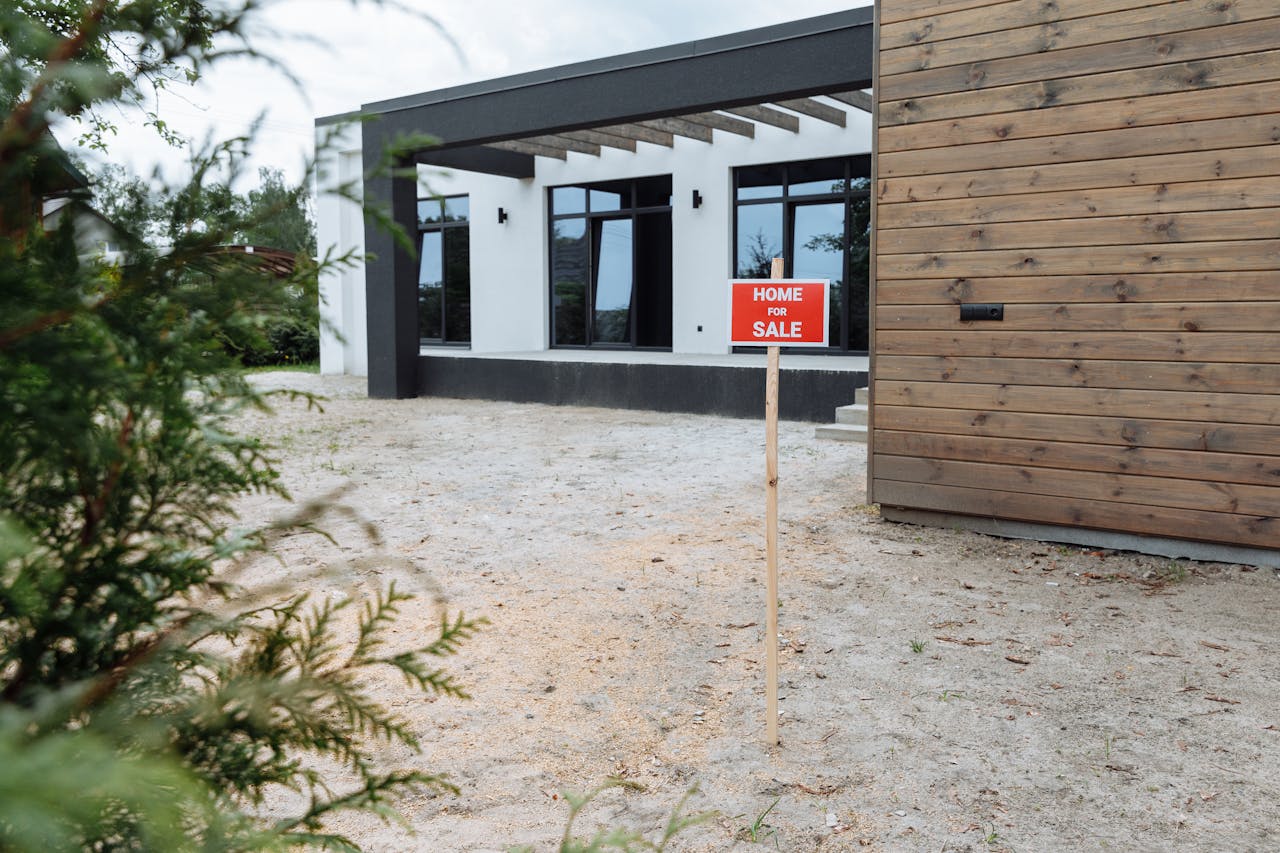
Homeownership has long been considered a cornerstone of stability and success. It represents more than just a financial investment; it is a symbol of security, belonging, and achievement. Yet for many people, the traditional path to owning a home—saving for a down payment, qualifying for a mortgage, and navigating the complexities of lending—can feel daunting or even impossible. Lease-to-own homes, also known as rent-to-own agreements, offer an alternative route that speaks not only to financial realities but also to deep psychological needs. By blending the familiarity of renting with the promise of ownership, these agreements tap into human desires for progress, control, and identity. Understanding the psychology behind lease-to-own homes reveals why they resonate so strongly with tenants and why they continue to grow in popularity.
The Emotional Bridge Between Renting and Owning
Renting often carries a sense of impermanence. Tenants may feel as though they are investing in someone else’s property, with little to show for years of payments. This lack of ownership can create frustration and a sense of stagnation. Lease-to-own homes change that narrative by transforming rent into a step toward ownership. Each payment feels purposeful, contributing to a larger goal. Psychologically, this shift is powerful. It reframes the tenant’s role from a temporary occupant to a future homeowner, instilling a sense of progress and direction.
For many, this bridge between renting and owning reduces anxiety about the future. Instead of feeling trapped in a cycle of rent increases and landlord changes, tenants gain a clear path forward. The knowledge that their current home could one day be theirs provides comfort and motivation, reinforcing the idea that they are building something lasting.
The Role of Identity and Belonging
Owning a home is closely tied to identity. It signals stability, maturity, and success. For families, it represents a place to raise children and create memories. For individuals, it is a marker of independence and accomplishment. Lease-to-own homes allow tenants to begin embodying this identity before the purchase is finalized. They can decorate, invest in improvements, and settle into communities with the confidence that they are not just renting but preparing to own.
This sense of belonging is critical. Humans are wired to seek stability and community, and housing plays a central role in fulfilling that need. Lease-to-own agreements provide tenants with the psychological assurance that they are not outsiders in their neighborhoods. Instead, they are future stakeholders, contributing to the fabric of the community. This belonging fosters pride and responsibility, encouraging tenants to care for their homes and invest emotionally in their surroundings.
Motivation and Commitment
Psychology teaches us that clear goals drive motivation. Lease-to-own homes provide tenants with a tangible target: ownership. Unlike traditional renting, where the end of a lease often means uncertainty, rent-to-own agreements establish a destination. Each payment brings tenants closer to that goal, reinforcing commitment and discipline.
This motivation often translates into improved financial behavior. Tenants may become more diligent about saving, repairing credit, or managing expenses, knowing that their efforts directly impact their ability to purchase the home. The psychological connection between daily actions and long-term rewards strengthens commitment, turning abstract dreams of ownership into concrete steps.
For families, this commitment extends to children, who benefit from the stability of remaining in the same schools and neighborhoods. Parents feel motivated to maintain consistency, reinforcing the psychological benefits of security and continuity.
Reducing Fear and Anxiety
One of the greatest psychological barriers to homeownership is fear—fear of rejection by lenders, fear of financial instability, and fear of making the wrong choice. Lease-to-own homes alleviate some of these anxieties by offering a gradual transition. Tenants can live in the home, experience the neighborhood, and test their readiness before committing fully. This reduces the pressure of immediate mortgage approval and allows time for preparation.
The psychological relief of knowing there is a plan in place cannot be overstated. Tenants feel empowered rather than overwhelmed, confident that they are moving forward at a manageable pace. This reduction in anxiety fosters healthier decision-making and greater satisfaction with the housing journey.
The Symbolism of Progress
Humans thrive on progress. Whether in careers, relationships, or personal goals, the sense of moving forward is essential to well-being. Lease-to-own homes embody progress in a tangible way. Tenants can see their journey unfold, from signing the agreement to accumulating rent credits and eventually exercising the option to buy.
This symbolism is particularly meaningful for those who have faced setbacks. Individuals recovering from financial difficulties or credit challenges often feel discouraged by traditional homeownership barriers. Lease-to-own agreements provide a second chance, a visible path toward redemption and achievement. Psychologically, this progress restores hope and reinforces resilience, reminding tenants that setbacks do not define their future.
The Balance of Flexibility and Security
Another psychological strength of lease-to-own homes lies in their balance of flexibility and security. Tenants enjoy the stability of knowing they can purchase the home, but they also retain the option to walk away if circumstances change. This duality reduces the fear of commitment while still providing the comfort of long-term planning.
For many, this balance is ideal. It allows them to test their readiness for ownership without the immediate risks of a mortgage. Psychologically, the ability to choose empowers tenants, giving them control over their housing journey. Control is a fundamental human need, and lease-to-own agreements satisfy it by offering both opportunity and choice.
The Community Effect
Lease-to-own homes also influence psychology at the community level. Tenants who plan to buy are more likely to engage with neighbors, participate in local activities, and invest in their surroundings. This engagement fosters stronger communities, where residents feel connected and committed. The psychological benefits of community—belonging, support, and shared identity—extend beyond individual households, creating ripple effects that strengthen neighborhoods.
For tenants, this community connection reinforces their sense of ownership, even before the purchase is finalized. They feel like contributors rather than outsiders, enhancing pride and satisfaction.
Conclusion
Lease-to-own homes succeed not only because they address financial challenges but because they resonate deeply with human psychology. They transform renting into progress, instill identity and belonging, motivate commitment, reduce anxiety, and symbolize hope. By balancing flexibility with security, they empower tenants to take control of their housing journey while fostering stronger communities.
For individuals and families navigating the complexities of modern housing markets, lease-to-own agreements offer more than a financial tool—they provide psychological reassurance and emotional fulfillment. They remind tenants that ownership is not an unreachable dream but a journey that can begin today. In this way, lease-to-own homes embody the essence of progress, stability, and belonging, making them a powerful solution for both hearts and minds.